
Strategic Context
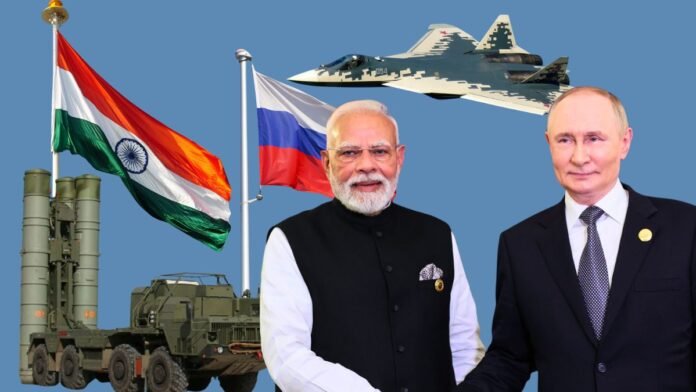
The India Russia defence deal is not a sudden alignment but the continuation of a decades-long strategic partnership. Since the Cold War era, Moscow has remained one of New Delhi’s most reliable defence partners. Even as India diversifies its defence imports and deepens ties with the United States and Europe, Russia continues to occupy a critical space in India’s military architecture.
From fighter jets to submarines, and advanced missile systems, the India–Russia military relationship has evolved from simple buyer-seller dynamics to joint development and co-production.
What the Deal Involves
Recent defence cooperation builds upon major platforms like the S-400 Triumph air defence system and the jointly developed BrahMos missile. The S-400 enhances India’s multi-layered air defence network, strengthening deterrence against both western and northern fronts.Meanwhile, BrahMos represents a model of successful Indo-Russian defence collaboration — combining Russian propulsion expertise with Indian guidance and integration systems. Ongoing discussions also include upgrades for Su-30 MKI aircraft, nuclear submarine cooperation, and expanded defence technology transfer frameworks.
Why It Matters for India
-
Strategic Autonomy: India maintains defence ties with Russia despite Western sanctions, reinforcing its doctrine of multi-alignment rather than bloc politics.
-
Technology Access: Russia has historically been more open to technology transfer and licensed production compared to other suppliers.
Operational Continuity: Nearly 60–70% of India’s legacy military platforms have Russian origin, making spare parts and upgrades strategically essential.
Who Benefits?
For Russia, India remains a stable and high-value defence market amid global isolation pressures. For India, Moscow provides strategic depth — especially in high-end platforms like submarines and missile systems — while ensuring diversification beyond Western dependency.
Risks and Challenges
The partnership is not without strain. Western sanctions under CAATSA laws create financial and logistical complexities. Additionally, Russia’s growing proximity to China introduces strategic unease for New Delhi. Delays in spare parts and delivery timelines have also raised concerns.
Long-Term Implications
The India Russia defence deal signals continuity in a changing world order. While India expands partnerships with the US, France, and Israel, Russia remains embedded in India’s core defence infrastructure.In a multipolar system, India’s approach is clear: balance relationships, preserve autonomy, and secure national interests through diversified strategic partnerships.
Follow our page @tejwas_ for daily updates.
More from world;